Branding and identity in graphic design
Branding and identity in graphic design is about creating a consistent visual system that represents a brand across all platforms.
Brand identity covers all the visual elements that represent a brand, from logos and colour palettes to typography, patterns, imagery and other design assets. Each of these elements contributes to how the brand is seen and recognised.
When these elements are used consistently, the brand becomes easier to recognise across different places. Using the same style, colours and typography helps create a more cohesive and professional look, especially when the brand appears across multiple platforms and materials.
What is branding and identity in graphic design?
Branding and identity in graphic design is about defining a business’s visual style and personality. It includes logos, colours, fonts, images, patterns and other elements that work together to represent the brand. A clear identity makes the brand recognisable and helps it stay consistent across websites, social media, print materials and other places.
A consistent brand identity also helps your audience understand and trust your business over time. It sets the style for marketing materials, packaging and campaigns, so any new design fits naturally with your existing brand.
Why is a strong brand identity important for my business?
Your brand identity is often the first thing people notice about your business. A strong, well-designed identity helps your business look professional and builds trust with customers. For example, consistent use of your logo, colours and fonts on your website, social media, packaging or business cards makes it easier for people to recognise your brand. When your visuals match across everything, your business feels reliable and stands out from competitors.
Applying brand identity in design
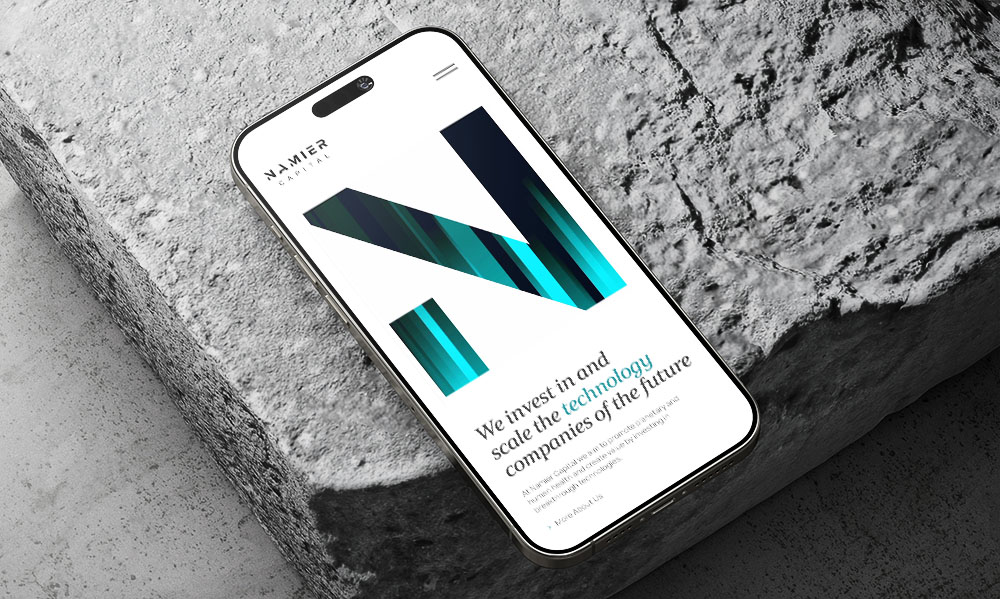
Brand identity is not just a logo or a set of colours. It is used across all parts of a design. For example, when designing a website, the brand identity helps decide what fonts are used, how big or bold the text is, and how text is arranged on the page. It also affects how images are chosen and edited, so they match the same style: for example, clean and minimal, or more bold and colourful. Spacing between sections is also kept consistent, so the page feels balanced and easy to read.
In simple terms, brand identity works like a guide. It gives designers clear directions on how things should look, so every page or design follows the same style instead of looking different each time. This helps different designs, like a website page, a social media post or a printed piece, look different in layout but still feel consistent and easy to recognise.
How a brand’s style is built
It starts with context
Often, brand style doesn’t begin with picking colours or fonts. It starts with understanding the business, the audience and where the brand will be used. For example, a financial product will usually need a more clean and simple look, while a creative brand can be more expressive. These factors already guide the direction before any design work begins.
Different directions are tested and compared
Designers don’t rely on one idea from the start. Instead, they explore a few different directions and compare them. This could mean testing different typefaces, colour tones or visual styles to see what fits best. This often means building a few quick variations of the same layout and checking how each one behaves with real content.
Consistency comes from small repeated details
A brand’s style is built through small design choices that are used again and again. Things like spacing, line thickness, corner shapes, image style, font choices, headline sizes, text spacing, colour usage, button styles, icon style and how elements are aligned all play a role. When these details stay consistent across pages and materials, the brand starts to feel clear and recognisable.
Working with the style in real layouts
A brand’s style becomes clearer when it is used in actual designs, not just in theory. For example, a colour might look good on its own but not work well with text, or a font might feel too heavy in longer content. These things are usually adjusted while working on real layouts, where everything comes together and has to work well together.
When your brand identity needs an update
As a business grows or changes, its brand identity may no longer match what the business does or how it presents itself. For example, a company may start with one main service and later expand into new areas, but the original logo or style no longer reflects what the business actually does.
An update is not always a full redesign. In many cases, small changes are enough to improve how the brand looks and feels. This could mean simplifying a logo so it works better in small sizes, choosing fonts that are easier to read, or adjusting colours to better match the brand’s tone. From there, changes can be made step by step so the brand becomes more aligned and easier to recognise.
What most businesses get wrong about brand guidelines
They are too vague to be useful
Good guidelines also answer real questions. What happens when the logo sits on a dark background? Which font is used for captions versus headlines? When should different logo versions be used? If your guidelines do not cover real situations, they will not prevent the mistakes they are meant to avoid. A good approach is to build them from questions your team has already asked, rather than starting from a template.
Guidelines need to grow with the brand
Most guidelines are written once and then rarely updated. But as a business grows into new channels like email, video, social ads or packaging, new questions come up that the original document may not cover. It helps to review guidelines from time to time and update them when needed.
Guidelines should explain the why
Simply listing what to do is less useful than explaining why. When people understand the thinking behind a brand, what it should feel like, who it speaks to and what it should avoid, they can make better decisions on their own. Rules create compliance, but explaining the reason behind them leads to better and more consistent decisions. A short explanation of why certain choices are made is often more useful than long lists of dos and don’ts, because it helps people understand how to apply the guidelines in real situations.
What is included in a brand identity project?
A typical brand identity project includes logo design, colour palette, typography selection, icons and brand guidelines. The brand guidelines document is particularly important as it ensures your identity is used the same way across your website, social media, print materials and anywhere else your brand appears.
A strong brand identity also helps businesses make design choices more easily. It gives clear guidance on things like the style of photos, illustrations, layouts and graphics. This makes it simple to create new materials and try fresh ideas, while keeping everything true to the brand’s personality.
How does brand identity connect to web design?
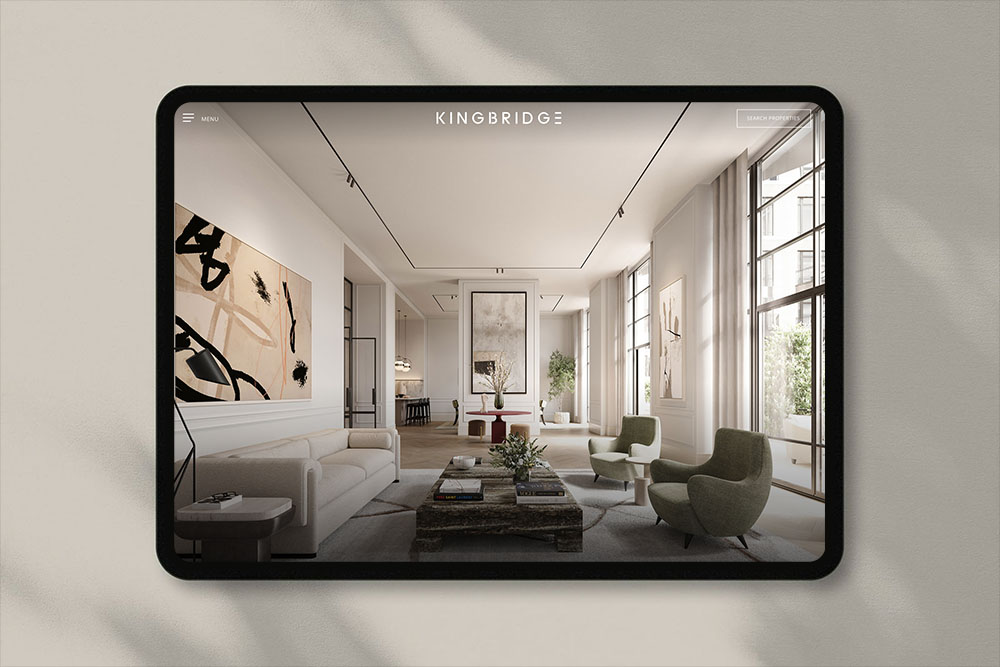
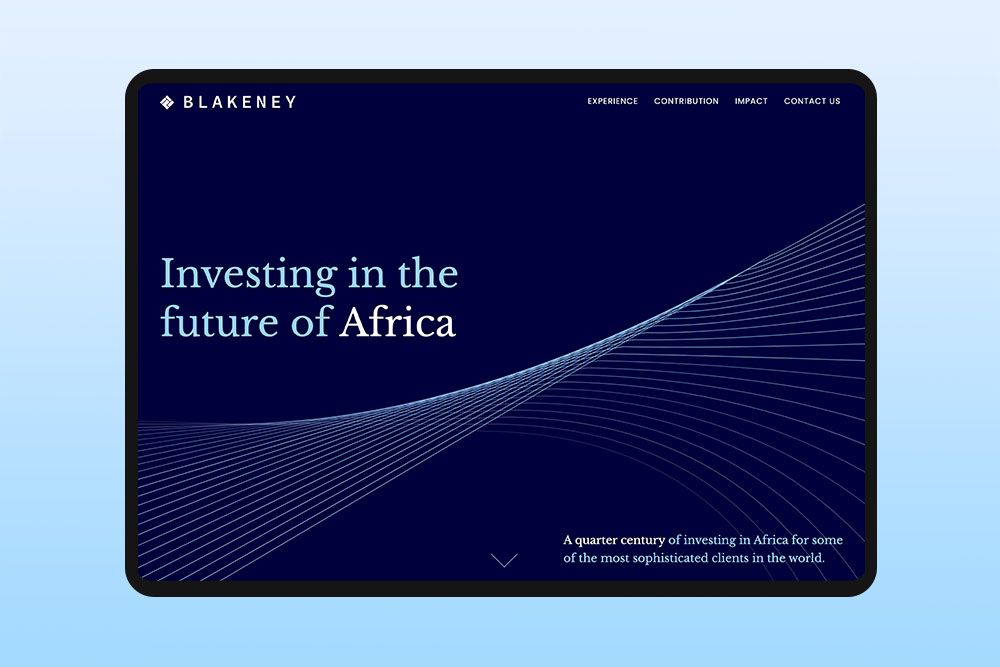
Your website is one of the most important places your brand identity lives. Everything from the colours and fonts to the imagery and tone of voice needs to feel consistent with your wider brand. At Reactive we make sure your website and brand identity work together, creating an unified experience for anyone who comes into contact with your business.
How do you develop a brand identity at Reactive?
We start by talking with you to understand your business, your audience and your goals. From there, we explore ideas that capture your brand’s personality. We keep tweaking and refining the design together until it feels right and works across all your brand materials.